A Seasonal Car Maintenance Checklist for South Austin Drivers

Dana Kraft • September 11, 2026

Fall in South Austin means two things at once: the worst of the summer heat is finally starting to loosen its grip, and school traffic is about to make I-35 and the surrounding roads busier than they've been all summer.


That combination is exactly why this time of year is worth a real look at your car's maintenance, rather than waiting for something to go wrong on a commute that's about to get more crowded.


What Changes As Fall And School Kick Into High Gear?

A car that's spent months idling in stop-and-go summer heat has been under more stress than it looks like from the driver's seat.

Rubber components, fluids, and electrical connections all take a beating from sustained high temperatures. That wear tends to surface right as driving patterns shift again with the school year.


Catching it now, rather than after the first cold snap or the first week of heavier traffic, tends to be the cheaper and less stressful option.


What to Check Before Seasonal Changes Make An Impact 

A few areas are worth a look heading into this stretch of the year:

  • Battery health: Heat is hard on batteries, and a battery that barely made it through summer may not have much left to get through fall.
  • Tire tread and pressure: Summer heat affects tire pressure more than most drivers expect, and worn tread matters more once fall and winter seasons start showing up.
  • Brake condition: More cars on the road during school traffic can mean more stop-and-go braking, which is worth planning for ahead of time rather than after a warning sign shows up.
  • Fluid levels across the board: Coolant, transmission fluid, and oil can all take on more stress during a hot South Austin summer, and a quick check now can catch a slow leak before it becomes a bigger problem.
  • Cabin air filter: A filter that's been working overtime through pollen and summer air quality is worth replacing before it's doing double duty during allergy season.


A Simple Way to Think About Timing of Maintenance

Rather than waiting for a specific mileage number or a dashboard light, the change of seasons is a reasonable, easy-to-remember trigger for a maintenance check.


If your daily drive includes any stretch of I-35, the seasonal wear described above tends to show up faster than it would with lighter, less congested driving.


A seasonal check isn't just a nice habit for South Austin commuters. It's a way of staying ahead of the specific kind of wear this commute can contribute to.

Car Maintenance in South Austin, Done Right

At All Tune South Austin, our ASE-certified technicians can run through a full seasonal check in one visit, covering battery, tires, brakes, fluids, and more, so you're not guessing at what your car actually needs before fall traffic and weather arrive.


Call us at 512-243-8666 or schedule your seasonal maintenance check at autorepairsouthaustin.com.

A town and country back on the road after getting their oil pressure sensor fixed
By Dana Kraft September 8, 2026
Are you having oil pressure issues? Our mechanics in South Austin traced a driver's oil pressure warning light to sensor failure, not engine damage.
A car driving in the dark needs headlights that work, not headlights that flicker
By Dana Kraft September 6, 2026
If your headlights are flickering, it could lead to serious safety issues, especially at night. Read more about how we helped someone in a similar situation.
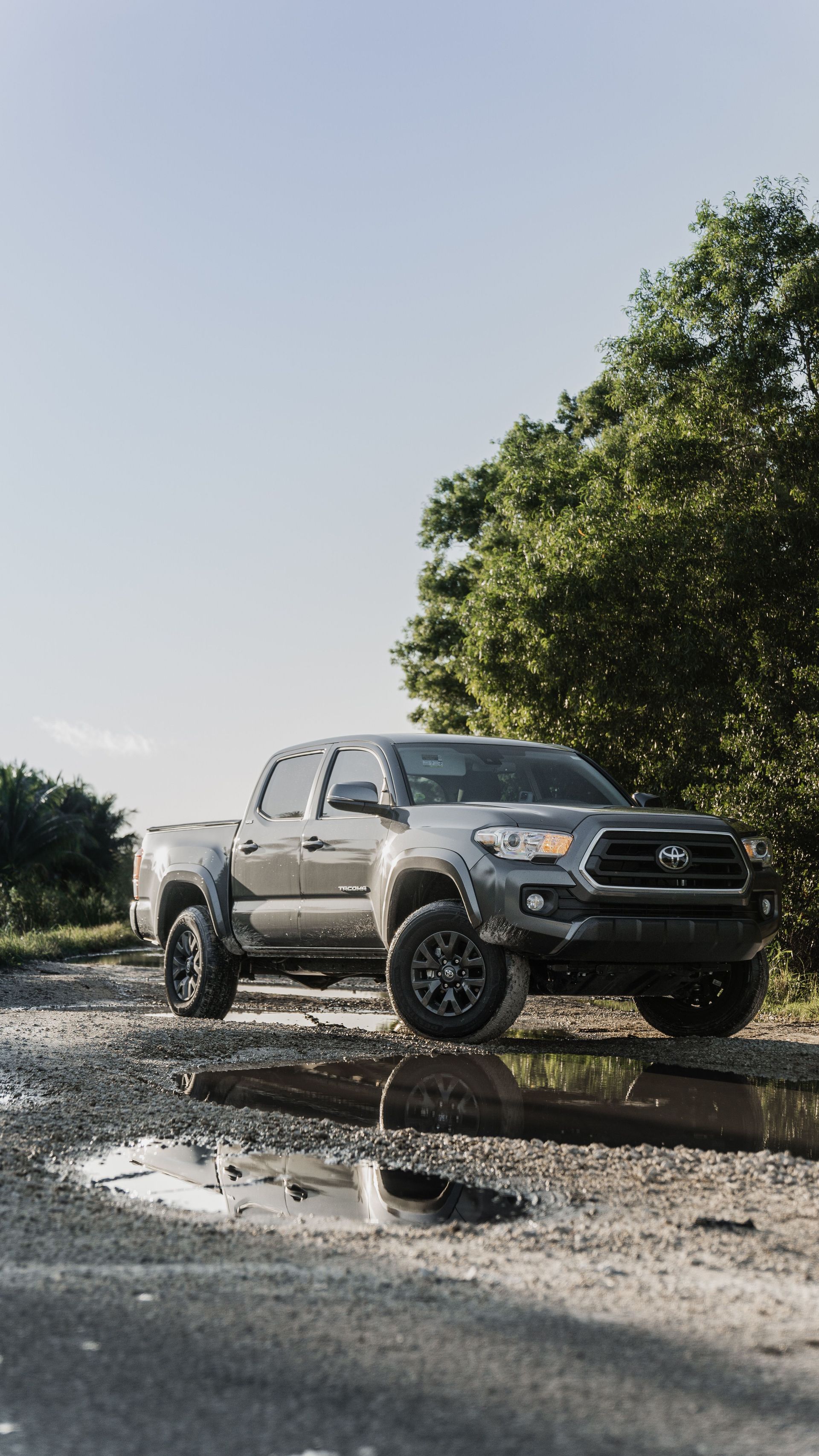
A well maintained Toyota is what every Tacoma driver wants
By Dana Kraft September 3, 2026
How often does a Toyota Tacoma need an oil change? Let's talk about the signs your Tacoma is ready for maintenance and what the value is.
A customer looking at their car in a dealership environment
By Dana Kraft September 1, 2026
Weighing a South Austin auto repair shop against dealership service? Dealerships may not always provide the quality of experience an independent auto shop can provide.
Toyota Solara driving through South Austin
By Dana Kraft August 29, 2026
Serpentine belt failure caused engine shudder and a dead-charging battery in this Toyota Solara. See the fix from our South Austin auto repair shop.
By All Tune Total Car Care - South Austin August 27, 2026
Premium auto repair and oil change services in Austin, TX by All Tune Total Car Care. Enhance your vehicle's performance. Visit us today!
Transmission getting ready to be fixed at South Austin location
By Dana Kraft August 26, 2026
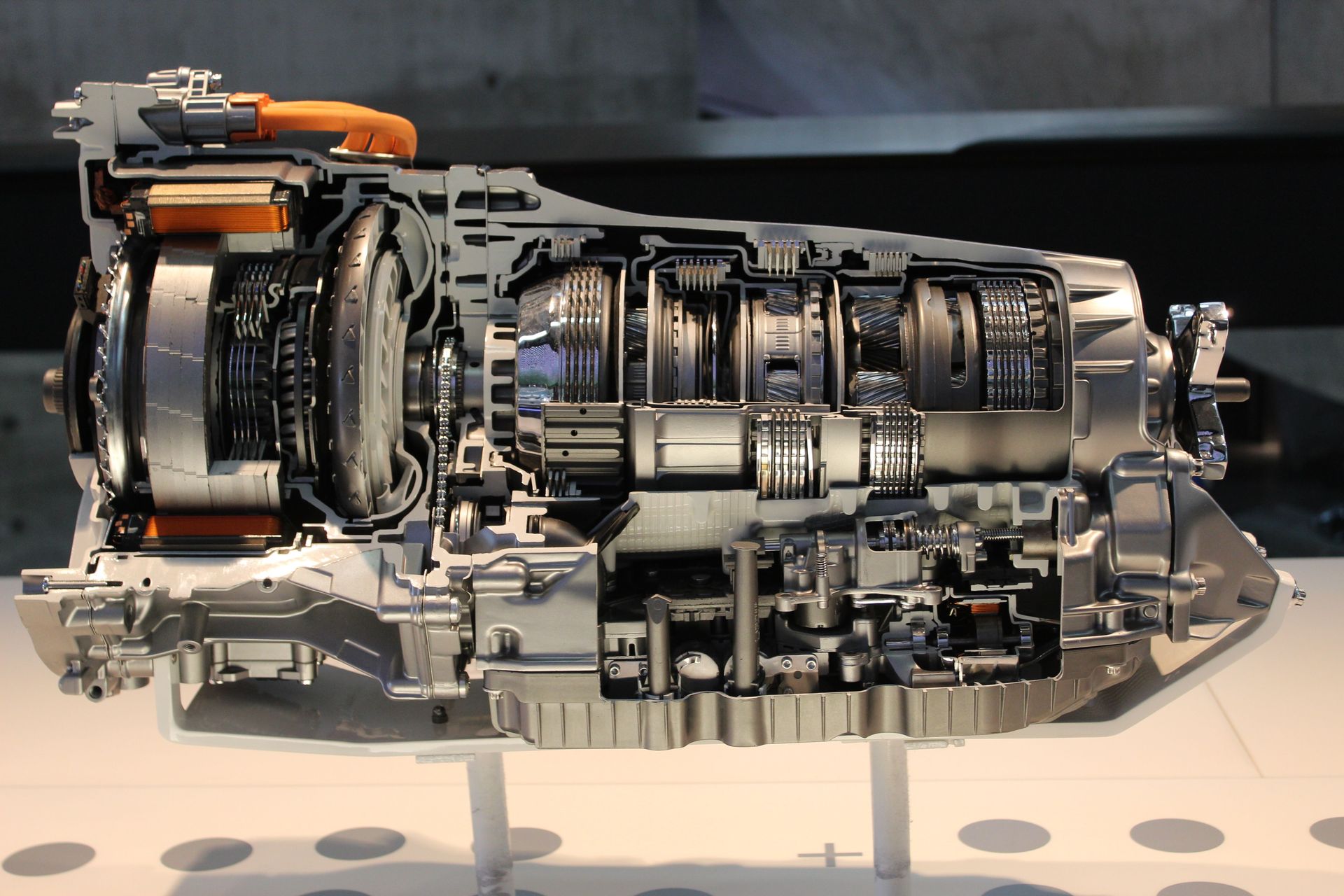
Transmission slip signs, causes & fixes from Austin's ASE-certified techs. Catch it early before a simple repair becomes a full rebuild. Call today.
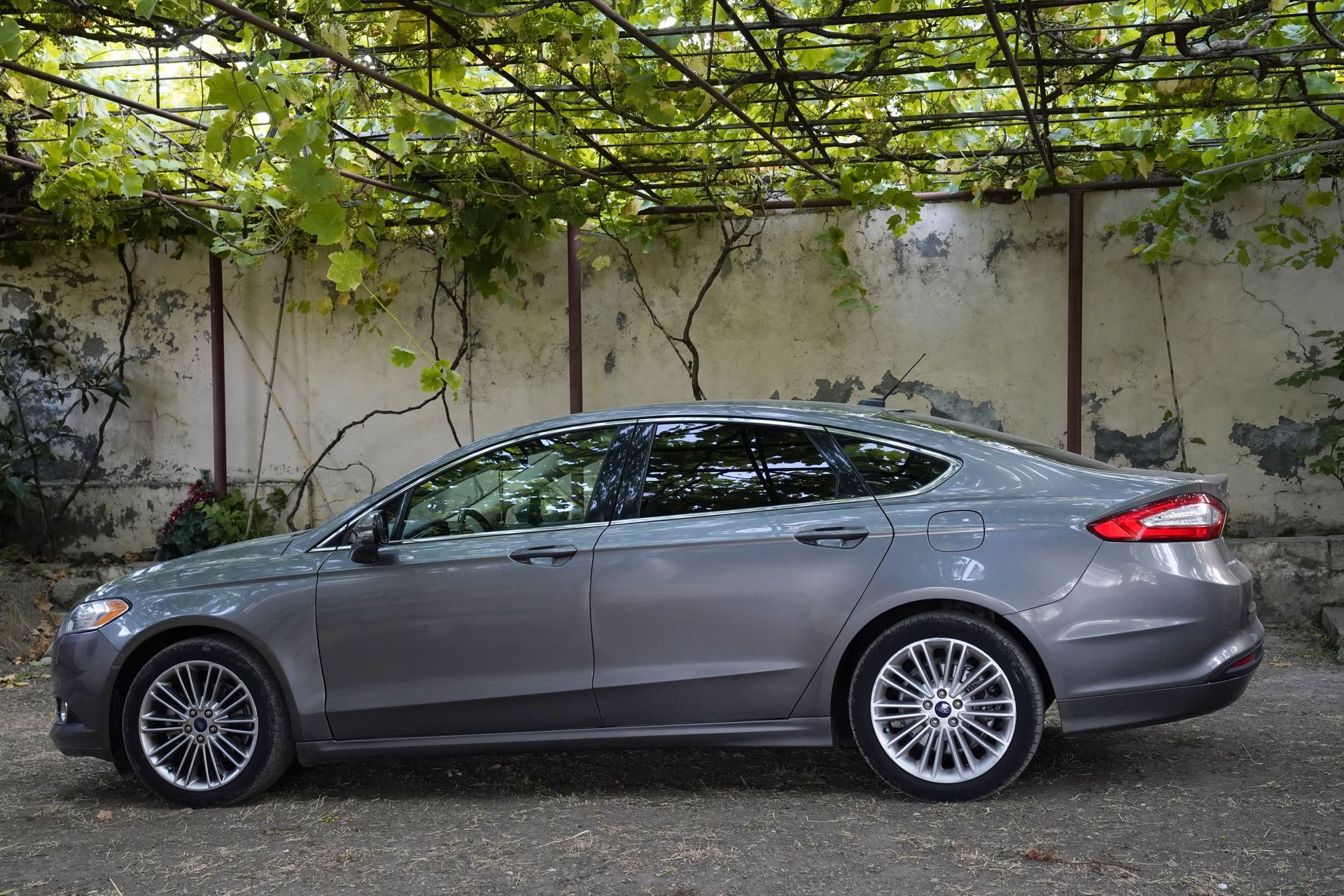
Ford Fusion in South Austin, TX needs brake service
By Dana Kraft August 25, 2026
Brakes grinding? It likely means metal-to-metal contact. Learn what a proper brake repair and service involves through a story about how we did for another customer
Squeaky brakes could mean many things, bring it to our experts to figure things out
By Dana Kraft August 20, 2026
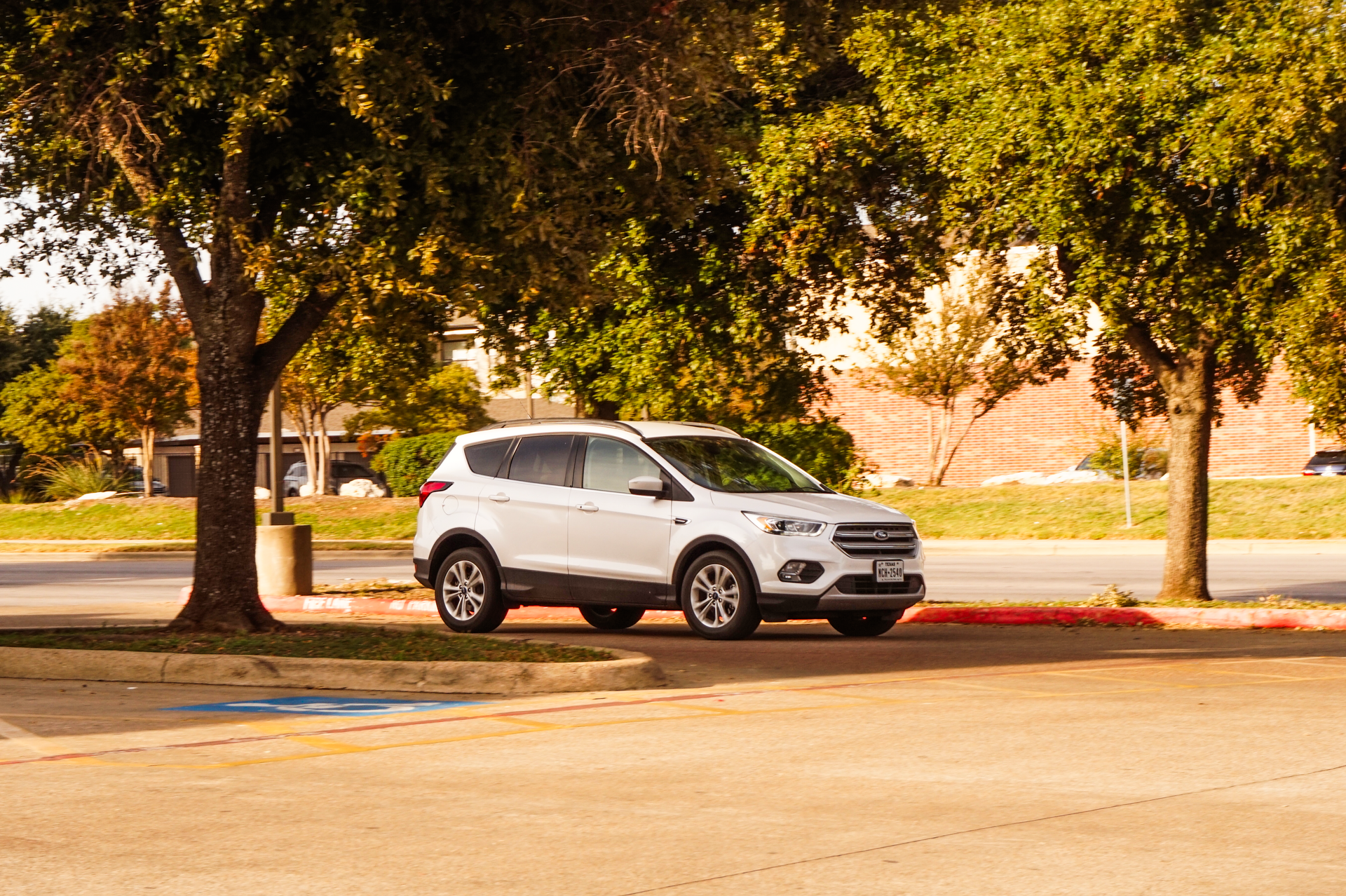
Squeaky brakes are one of the most common reasons Austin drivers call us, and it usually means more than just noise. We recently worked on a 2020 Ford Escape SE that had already had its rotors resurfaced previously, but the squealing came right back a few months later. When we took a closer look, we found worn brake pads, glazed rotors, and brake fluid that had picked up contamination along the way. Fixing this customer’s brakes for good meant replacing the front and rear brake pads and rotors, flushing out the old fluid for fresh Ford OEM fluid, and road testing everything in line with our diagnostic assessment. The owner drove away with quiet, responsive brakes and their safety restored. What Our Brake Experts Found on This Ford Escape Just like your baby at home, that squeaking noise is your car's way of telling you something in the brake system needs attention. This particular Ford Escape had already given its owner trouble once, back when they bought it from CarMax with freshly resurfaced rotors. When the squeal returned, it became clear the whole brake system needed a real look, not just another quick fix. Our inspection and diagnostic work showed that this Ford Escape needed a complete brake system overhaul to clear up the squealing and get its braking back to where it should be. We found brake pads worn down to about 2mm of friction material, well past the 4mm safety minimum. We found glazed and damaged rotors that had lost their even friction surface from heat and contamination. And we found brake fluid that had absorbed moisture and picked up metal particles from the worn components, which was quietly reducing how well the hydraulic system could do its job. When only one part of a brake system gets addressed, the rest of the problem tends to resurface, sometimes literally. Our ASE-certified technicians treated this as a full system job rather than a single-part fix, because that's really the only way to get quiet, reliable braking back for good. Full Brake System Restoration on a Ford Escape To fix the squeal for good, our technicians lifted the vehicle and did a detailed inspection of every brake component, measuring pad thickness and checking the rotor surfaces closely. From there, we replaced the front brake pads and rotors on both sides, making sure everything was aligned, torqued to Ford's specifications, and fitted with properly seated anti-rattle clips. We did the same careful work on the rear brakes, checking the parking brake adjustment and confirming proper clearance throughout. Once the new components were in, we flushed out all of the old, contaminated brake fluid and refilled the system with fresh DOT 3 fluid that meets Ford's specifications. From there, we ran the vehicle through a full quality check: road testing braking response, stopping distance, and noise at both highway speeds and simulated emergency stops, along with an electronic diagnostic scan to confirm the brake sensors, ABS components, and electronic brake distribution were all working within manufacturer specs. We also gave every new part a final visual check and confirmed the wear indicators were functioning correctly. The result was a Ford Escape that stopped quietly, confidently, and safely, the way it should have all along. Common Questions We Get About Squeaky Brakes What should I do if my brakes are squeaking? Of course, we recommend getting them inspected by a professional. Until then, try to limit driving until it's been checked so you don't risk further damage or an accident from your brakes giving out. Give us a call and we'll get you scheduled as quickly as we can. How does brake fluid contamination affect braking? Brake fluid can pick up moisture over time, which may reduce how well your brakes perform and can lead to rust inside the system. Contaminated fluid can weaken hydraulic pressure, which may make your brakes feel less responsive and harder to predict. What does a full brake system restoration involve? It typically starts with lifting the vehicle and doing a close visual inspection of all the brake components, measuring pad thickness and checking the rotors. From there, technicians replace the front and rear brake pads and rotors, making sure everything is properly aligned and torqued. The last step is flushing the brake fluid and running road and diagnostic tests to confirm everything is working the way it should. Why does preventive brake maintenance matter? Regular brake inspections can help you avoid a surprise emergency repair and keep your car stopping reliably when you need it to. Catching wear early tends to mean safer driving, longer-lasting parts, and lower costs overall. We generally recommend an annual brake inspection for most drivers, or closer to every 6 months if you're regularly in heavy traffic. How can I prevent brake squealing in the first place? Getting your brakes inspected at least once a year is a good baseline, more often if you're commuting through heavy traffic regularly. This is an easy thing to do every time you get your oil changed. How can I tell if my brake pads are worn out? Most vehicles have built-in wear indicators that start to squeal once the pads get thin, generally somewhere around 2mm of material left. You might also notice weaker braking power, a softer pedal, or longer stopping distances. Rather than waiting for those signs to show up, a regular inspection can catch wear early and help you avoid a bigger repair down the road. Brake Repair in Austin You Can Count On Here's what years of working on brakes around Austin has shown us: staying ahead of brake wear is one of the simplest ways to protect both your safety and your budget. Regular inspections tend to catch problems while they're still small, often before you'd ever hear a squeal. Vehicles that get consistent brake attention are far less likely to end up in an emergency repair situation, and that peace of mind matters just as much as the mechanical side of it. Regular maintenance is what keeps your vehicle running well and keeps you safe on the road. At All Tune South Austin, we offer complete brake repair for drivers across Austin and South Austin, backed by ASE-certified technicians who've worked on the brakes of hundreds of local vehicles using the same careful standards we applied to this Ford Escape. If your brakes are squeaking, don't wait for it to get worse. Call us at 512-243-8666.
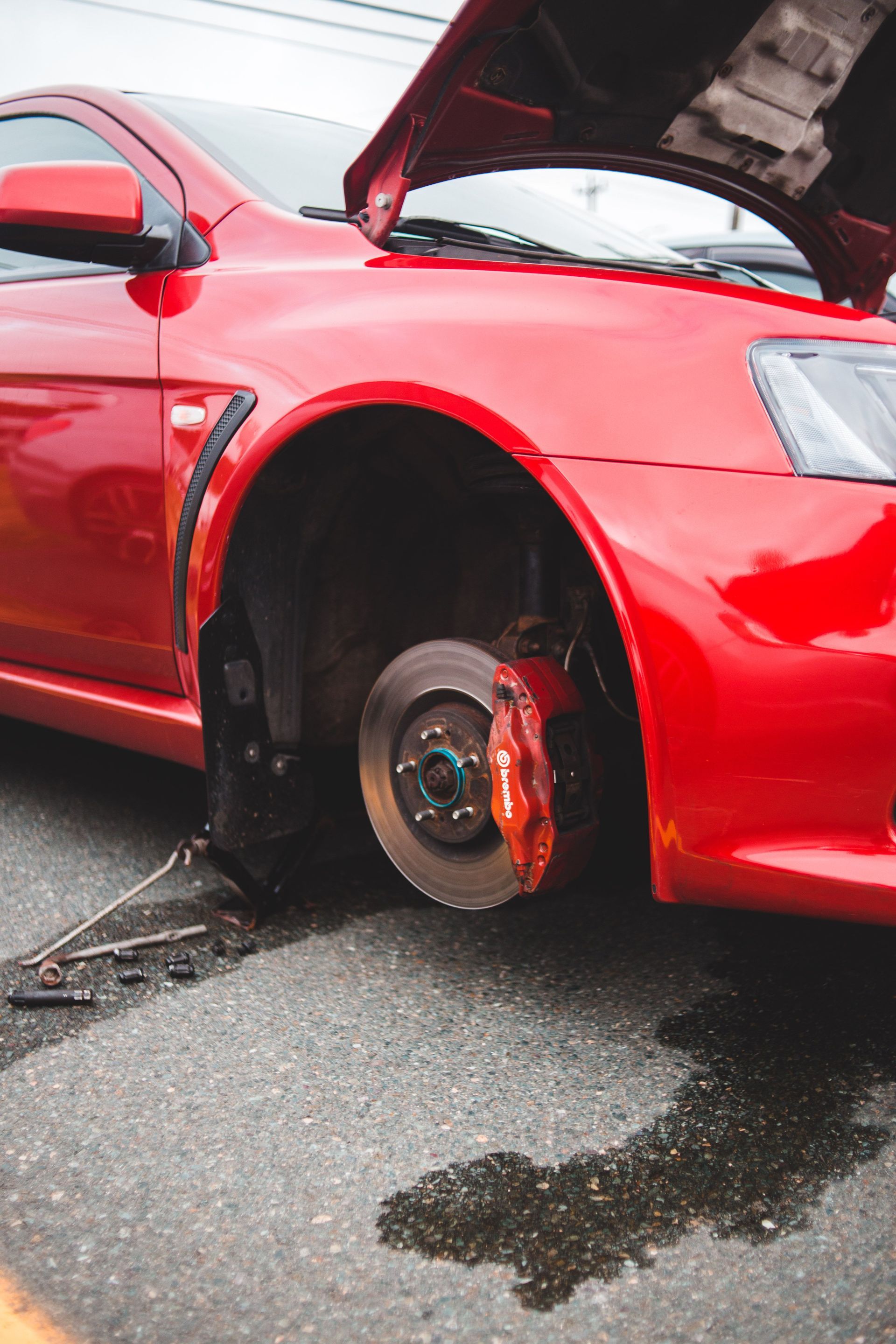
A car lifted for brake repair in our south Austin shop
By Dana Kraft August 17, 2026
Not every brake problem announces itself with a squeal. Sometimes the first sign is something you feel rather than hear: the steering wheel shaking under your hands, or the car pulling to one side as you slow down. Both are common reasons Austin drivers call our brake repair experts , and both are worth taking seriously, especially if you're commuting every day. What Shaking or Pulling Sensation Means About Your Brakes A car that shakes or vibrates specifically when you brake, rather than all the time, often points to the rotors rather than the pads. Rotors can wear unevenly over time, especially with the kind of frequent stop-and-go braking that comes with a daily Austin commute. When a rotor's surface becomes uneven, the brake pad no longer makes smooth, consistent contact, and that can translate into a pulse you feel through the pedal or the whole car. A car that pulls to one side under braking is a different story, and it can point to a few different things: A brake caliper that's sticking or not releasing evenly on one side Uneven brake pad wear from side to side A collapsed brake hose restricting fluid flow to one wheel In some cases, an alignment issue rather than the brakes themselves The tricky part is that these symptoms can overlap, and guessing which one applies to your car is exactly the kind of thing that turns a smaller repair into a bigger one if it's left unchecked. That's really what a proper inspection is for. Brake Repair Isn't a "Wait and See" Situation, Be Cautious Brakes are the one system in your car where minor symptoms and safety concerns are closely linked. A shake or a pull might feel like a minor annoyance today, but it can also be an early signal of uneven wear that gets worse under hard braking, which matters a lot on a highway on-ramp or in sudden Austin traffic. Taking care of yourself on the road is important enough but for those with families in the car it’s even more concerning when these symptoms are noticed. Our brake repair experts generally recommend getting symptoms looked at within a week or two of first noticing it, sooner if it's gotten noticeably worse since it started. What An Expert Brake Inspection Looks At When one of our ASE-certified technicians looks at a car with these symptoms, the goal is to rule things in or out systematically rather than guessing. That typically means: Measuring rotor thickness and checking for uneven wear or warping Inspecting pad wear on both sides of the vehicle for asymmetry Checking caliper function to confirm both sides are releasing evenly Taking a look at the brake lines and hoses for restrictions Ruling alignment in or out as a contributing factor A proper diagnostic looks at the whole system, which matters if the actual cause is a caliper or a hose rather than the pads themselves. What Happens Next Depends on What We Find Every fix here depends on the actual cause, which is exactly why a diagnosis matters more than guessing at a repair. A worn or warped rotor is typically replaced along with fresh pads. A sticking caliper usually needs to be rebuilt or replaced so both sides brake evenly again. If a hose is restricting flow, that gets replaced and the system gets bled and tested. None of these are unusual repairs. They're just different repairs, and treating a caliper problem like a pad problem or vice versa tends to bring the same symptom right back. Brake Repair in South Austin, From People Who'll Tell You What's Actually Wrong If your car is shaking or pulling when you brake, that's worth a real look, not a guess. Our brake repair experts at All Tune Total Car Care have worked on the brakes of hundreds of vehicles across South Austin, and we'd rather diagnose the actual cause than sell you a pad replacement that doesn't fix the problem. Call us at 512-243-8666 or schedule your brake inspection at autorepairsouthaustin.com.
More Posts