By Dana Kraft
•
September 14, 2026
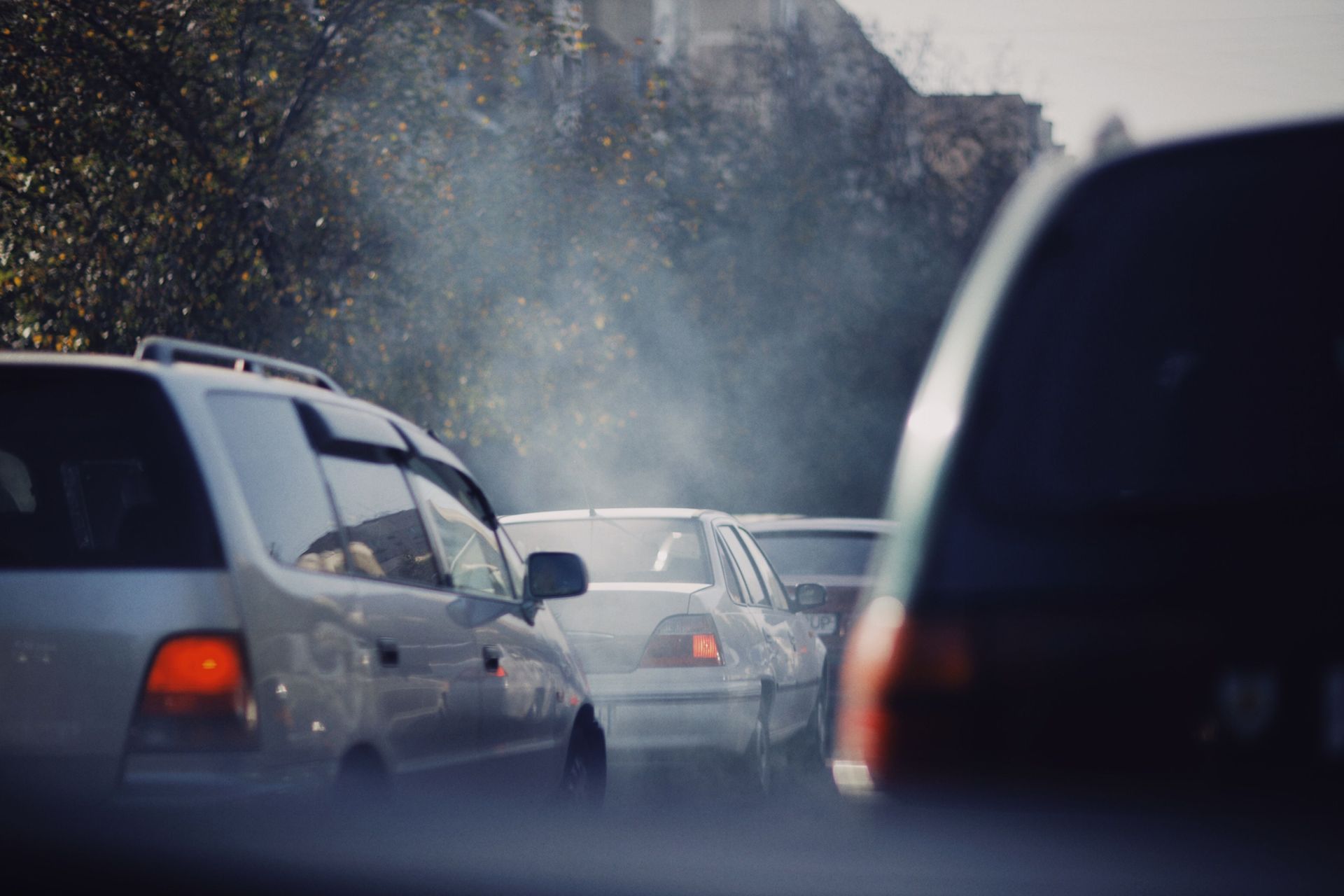
When your car smokes and loses power at the same time, there’s a good chance you’re having problems with your oil system or fuel delivery. We've worked on plenty of vehicles with this exact issue at our South Austin shop, and we've found it stems from one or many of the following issues: a faulty PCV valve, a weakening fuel pump, and oil circulation problems, which is what we found in a Chevy Camaro that recent came to the shop. Issue: Engine smoking and losing power together Root Causes: PCV valve malfunction, fuel pump degradation, oil circulation failure Solution: Oil service, PCV maintenance, fuel pump inspection, brake fluid flush, electrical verification Location: South Austin Our certified technicians ran a thorough diagnostic on this customer’s Camaro and addressed each issue directly: oil service, PCV valve work, fuel pump inspection, brake fluid flush, and electrical system checks. Once we're done, their engine was running properly again and their power was back to normal. Have You Noticed These Symptoms in Your Veh i cle? When a customer brought their 2010 Chevrolet Camaro to us it was smoking and losing power. We knew something serious was happening under the hood. We've seen this problem in Camaros at our South Austin shop, and it often means multiple systems are struggling. If you ignore it, your engine could suffer serious damage before long. The important thing is catching these symptoms early so you can fix them before they escalate. Watch for these warning signs: Visible smoke or steam coming from under the hood (usually blue-gray, indicating burning oil) Loss of engine power when accelerating or driving on the highway Difficulty maintaining speed above 45 mph Burnt oil smell accompanying the smoke Check Engine light or oil pressure warning light coming on What these signs mean: Engine smoking can mean oil is reaching hot engine parts, often from a broken PCV valve or bad oil seals. Power loss could indicate your fuel isn't reaching the engine properly or that there's too much friction inside from insufficient oil. If you're experiencing one or more of these symptoms, our diagnostic check can identify the real problems and prevent further damage. Complete Inspection of The Customer’s 2010 Chevrolet Camaro To figure out what's actually wrong, we performed a detailed inspection using OBD-II diagnostic scanning and hands-on examination of critical systems. Our diagnostic approach, refined through long-tenured experience with similar cases at our South Austin location, involves a comprehensive review of all components that could be causing your vehicle's poor performance. This thorough process takes time, but it allows us to identify the real problems rather than just treating symptoms, so we fix what actually needs fixing. Our inspection revealed multiple issues in this case: Oil system condition: We examined your oil quality, circulation through the engine, and potential leak points. We found your oil wasn't maintaining proper viscosity at normal engine temperature. PCV valve functionality: We tested how well your crankcase pressure is being managed. We discovered excessive pressure was forcing oil past your valve cover gaskets. Fuel delivery system: We inspected your fuel pump and measured its pressure output. We found the fuel pressure was reading well below the manufacturer's specification. Ignition and electrical systems: We checked your spark plugs and electrical components using an OBD-II scanner. Brake system integrity: We inspected your brake fluid and safety systems to ensure everything was safe to work on. Supporting systems: We reviewed your air conditioning and other systems that could affect vehicle performance. By identifying each problem, we developed a repair plan that would address both performance and reliability. How We Fixed This Customer’s Smoking and Power Loss To resolve the smoking and power loss in this 2010 Chevrolet Camaro, our ASE-certified technicians followed a systematic repair approach: Oil System Restoration : We performed a complete oil change using high-quality full synthetic oil that met Chevy’s specifications. This resolved the oil-related smoking and ensured the engine received proper lubrication to prevent further damage. PCV Valve Service : We inspected and replaced the PCV valve, which controls crankcase pressure and prevents oil from leaking into the combustion chamber. Our testing showed the original valve was stuck partially open, creating excessive pressure. Replacing the PCV valve, in this case, directly stopped the smoking. Fuel System Inspection and Service : We performed a complete fuel pump inspection and verified fuel pressure was below the correct level. We also replaced the fuel filter and checked injector spray patterns. This step ensured the engine received adequate fuel, which directly resolved power loss. Brake System Maintenance : We completed a full brake fluid flush and refill, ensuring the braking system functions perfectly and remains safe throughout the repair. Electrical and Safety Systems Verification : We checked the brake lights, cleaned and tightened all electrical connections, and confirmed no fault codes remained in the system. Complete System Evaluation : We performed a full air conditioning check and reviewed all other systems to identify any additional issues affecting vehicle performance. By addressing each problem through this systematic repair process, we restored the Camaro's engine function, eliminated the smoking, restored power, and verified all safety systems work properly. Additionally, the vehicle is now backed by All Tune's nationwide 2 Year / 24,000 mile warranty. Frequently Asked Questions About Power Loss What should I do if my engine is smoking and losing power? Stop driving immediately and have a professional inspect your vehicle. This combination of symptoms could point to serious problems, possibly involving your oil system, PCV valve, or fuel delivery system as they did in this case we worked on. Based on our experience with similar cases, continued driving risks severe damage and safety hazards. What can I expect during the diagnostic process for smoking and power loss? During diagnosis, we perform a comprehensive inspection using an OBD-II scanner, fuel pressure gauge, and visual examination of your oil system, PCV valve, fuel delivery system, ignition and electrical systems, and brake system. This allows us to identify all problems rather than just treating symptoms. We charge a diagnostic fee, which we credit toward repair costs if you choose our service. Why should I invest in a complete oil system service and PCV valve maintenance? These services can help prevent costly engine damage and extend your engine's lifespan. A complete oil change with PCV valve service can stop smoking, restore proper lubrication, and prevent future problems. While there's an upfront cost, it may save you from thousands in potential engine replacement or major repairs later. We've seen customers avoid serious engine damage by addressing these issues early. Don't Wait! Get Your Vehicle Diagnosis Today If You’re Experiencing Similar Issues Smoking and power loss are warning signs that demand immediate professional attention. In our South Austin shop, we've watched this combination progress from minor symptoms to complete engine failure in a short amount of time. The longer these problems go unfixed, the greater the risk of additional damage to your engine and other critical systems. That's why we don't use shortcuts. We aim to diagnose thoroughly and get it right the first time, backed by All Tune's nationwide 2 Year / 24,000 mile warranty on all repairs. If your Chevrolet Camaro is smoking and losing power, don't put it off. Call us now at 512-243-8666 to get started and get back on the road safely. You can also schedule your appointment online by clicking the "Book Now" button on our website. We're open Monday through Friday, 7:30 AM to 6:00 PM, with street parking available and emergency service available when you need it.