Is Your Car Overheating In South Austin Traffic? Understand Your Risks and Potential Costs.
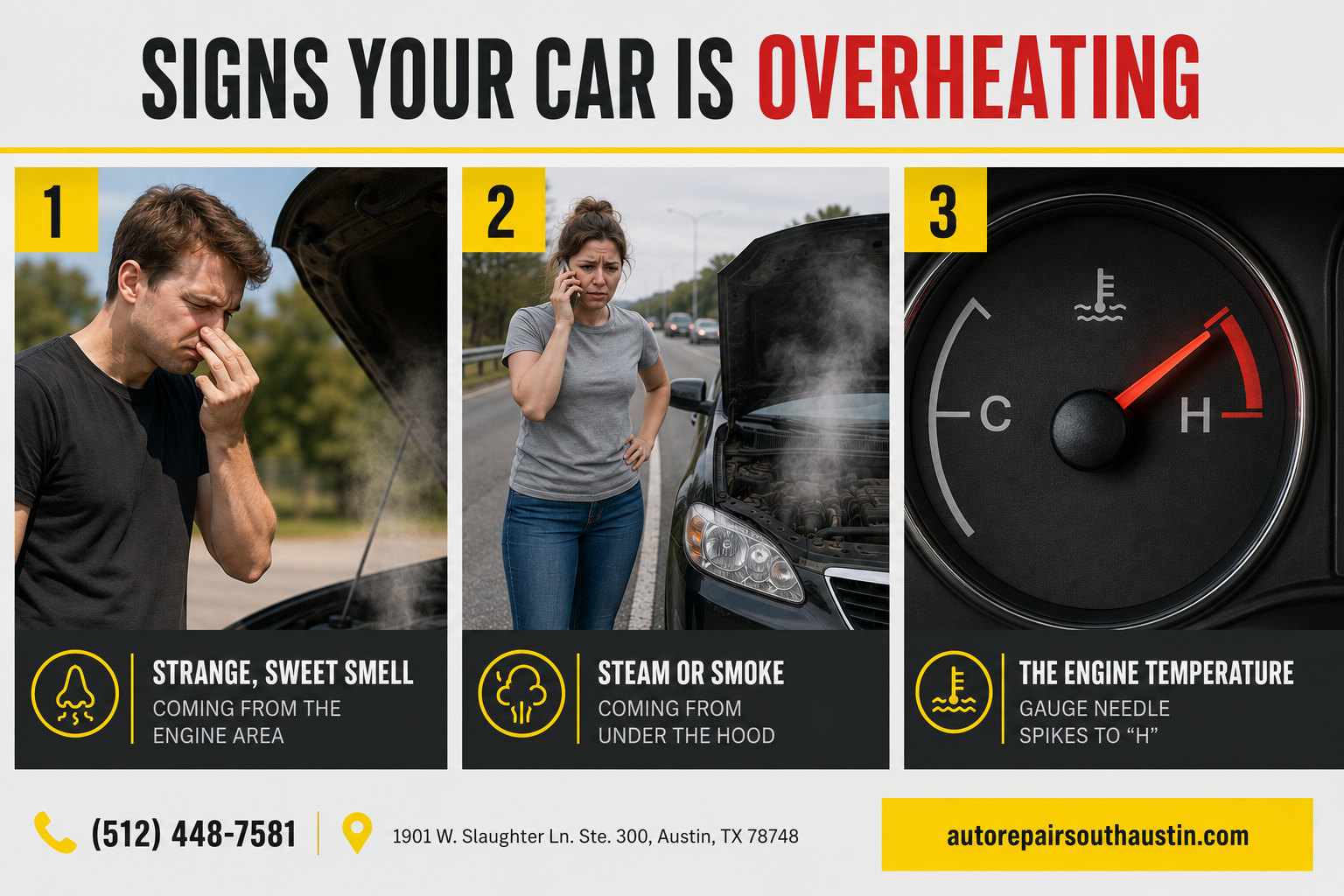
Signs Your Cooling System Is Failing
Before your engine overheats catastrophically, your car gives you warnings. Most people miss them. Here's what to look for:
🚨CRITICAL Risk to your cooling system. Stop driving immediately:
- Steam rising from under the hood: This is active boiling. Your coolant is either completely gone or the thermostat has failed and the system has lost pressure. You're minutes away from piston seizure or head gasket failure. This is a "pull over NOW" warning.
- Temperature gauge climbing into the red zone: The gauge doesn't lie. If it's in the red, coolant temperature is dangerously high. You're in the same danger zone as steam; the visual confirmation that coolant is failing. This is "pull over immediately and let it cool" territory.
- Engine knocking or pinging: This is pre-ignition, which means combustion temperatures are spiking due to inadequate cooling. This causes piston and valve damage in real-time. It's happening right now, not gradually. You need to stop driving and get a diagnosis today.
‼️HIGH RISK of serious damage to your engine. Address today, don't drive long distances:
- Sweet smell from under the hood: This is an active leak, but it's gradual. You're losing coolant, but you haven't reached critical failure yet. However, once that leak progresses, you go from this to #1 or #2 quickly. This needs diagnosis today, not tomorrow.
- Puddles under your parked car: Same as above; active leak, but slower. The advantage: you can see it, which means you know there's a problem before the gauge spikes. Still need repair ASAP, but slightly less urgent than a smell you only notice while driving.
⚠️ MEDIUM RISK: Schedule appointment soon, but you have a few days:
- Coolant reservoir level drops week to week: This is gradual leak territory. You're catching it early, which is good. You have time to get to a shop, but don't ignore it for weeks. This will eventually become #4 or #5.
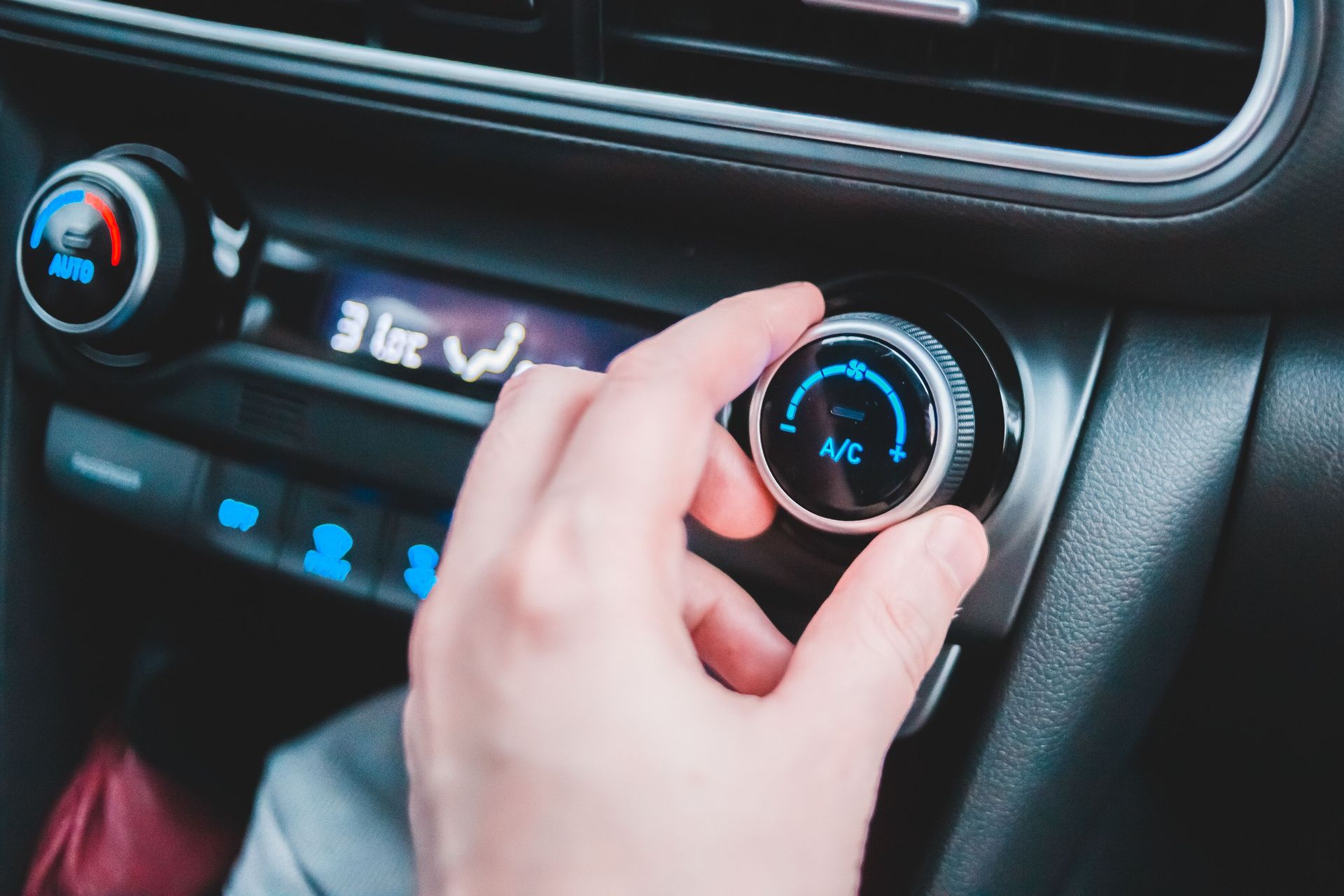
- Air conditioning suddenly blows warm: This is the most ambiguous warning because it could be many things (AC refrigerant leak, compressor failure, etc.). It might indicate cooling system stress, but it could be completely unrelated. However, if paired with any other symptoms above, it's a red flag. On its own, it's the lowest priority but still worth checking.
What An Overheating Vehicle Might Cost, Depends On How Fast You React
This is the part that hits your wallet. Here's what a mechanic finds when an overheated engine comes in and how much it might cost you:
💰💰💰Thousands of dollars to fix > worst case scenario (Engine Replacement)
- Cracked engine block: The block itself has a structural crack, which is catastrophic. This often means replacing the entire engine with a used unit or junking the car.
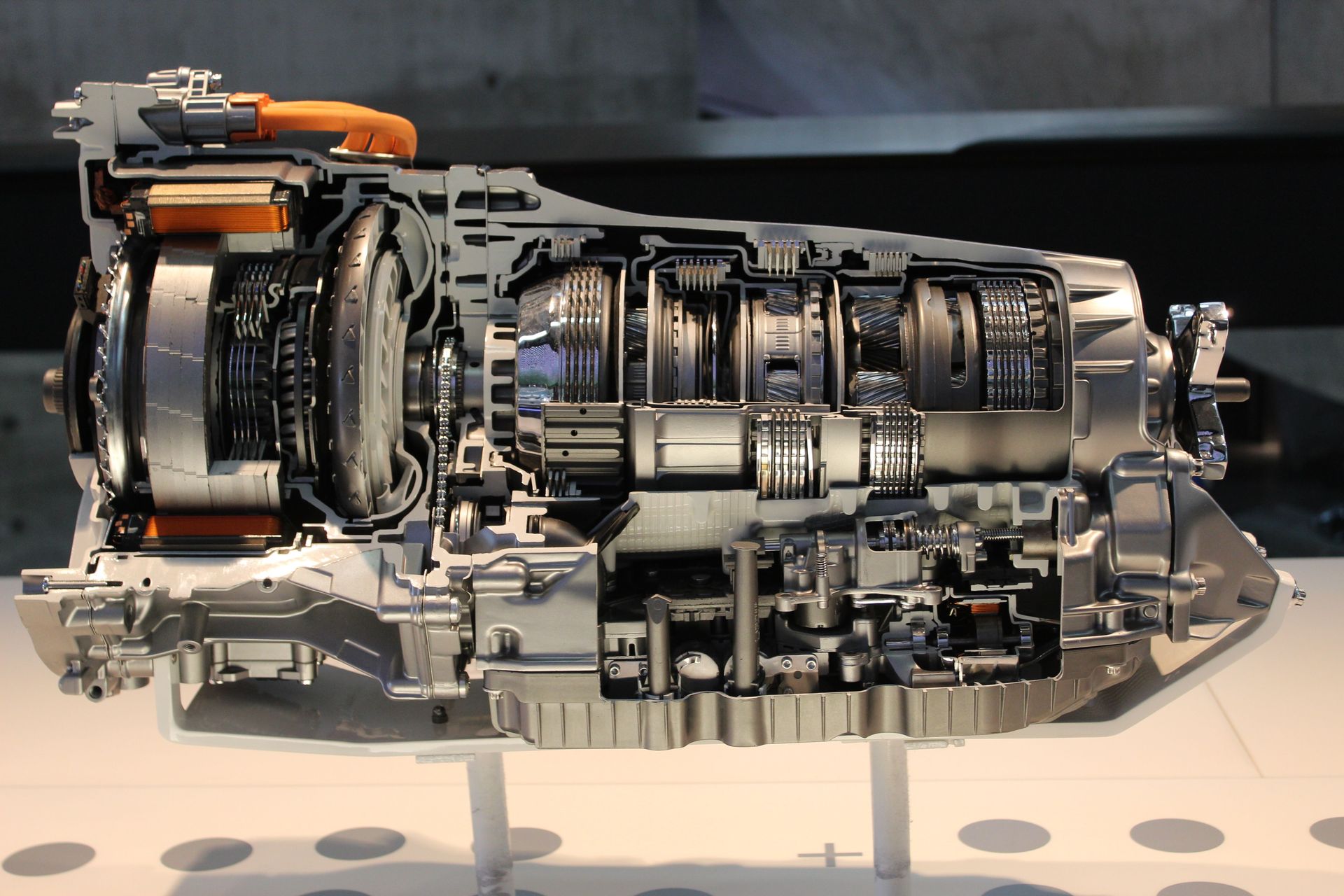
- Transmission overheating and failure: The transmission has its own cooling circuit that relies on engine coolant. When the engine coolant system fails, transmission fluid temperature skyrockets, the fluid breaks down, seals fail, and internal gears wear. This often happens after someone tries to drive the car again, thinking it's fixed.
💰💰At least a couple thousand dollars > common and close to worse case (Major Engine Work)
- Piston and rod damage: If a piston seized, the connecting rod likely bent. This is internal engine damage invisible until the engine is torn apart and requires full engine rebuild or replacement.
- Head gasket failure: Coolant leaks into the oil, making it milky, and leaks into the combustion chamber, causing white smoke from the exhaust. If not fixed immediately, engine oil gets contaminated and the whole lubrication system fails.
- Warped cylinder head: The top of the engine block warps from uneven heat and no longer seals properly against the block, requiring machine shop work to flatten it or full replacement with a new head.
💰Several hundred dollars > save yourself and do it before it gets worse! (Minor Repair)
- Spark plug fouling and carbon buildup: Overheating causes pre-ignition and detonation, fouling spark plugs and accumulating carbon deposits inside the combustion chamber. This is minor compared to head gaskets, but it's symptomatic of severe engine stress.
Why Your Car Overheats in Hot Austin Summers
Your cooling system moves heat away from the engine through coolant–a fluid that circulates through the engine block and releases heat in the radiator. This works fine until three things collide: extreme heat, stop-and-go traffic, and a system already wearing out.
If you're driving across Austin regularly, you're spending 45 to 60 minutes in conditions that could destroy your cooling system. Air conditioning runs constantly. The engine idles for long stretches. Coolant temperature spikes. The radiator fan works overtime.
A small leak loses a quarter cup of fluid per week. You won't notice until the temperature gauge spikes and you're stranded on the shoulder.
Common Reasons Your Vehicle Overheats
Most overheating issues come from one of three sources:
- Coolant leaks are the most common. Hoses degrade from heat cycling; water pump seals fail; radiator connections corrode. Each one weeps fluid silently until the system runs dry.
- Thermostat failure is second. This valve should open when coolant reaches the right temperature, allowing flow through the radiator. When it sticks, coolant can't circulate. Your temperature gauge will spike in minutes.
- Radiator blockage happens less often but devastates South Austin drivers. Rust inside the cooling system accumulates in the radiator fins. Bugs and dirt clog the external fins. Airflow stops. Temperature climbs. This is what happens when you've been driving the same car for 8 to 12 years on I-35.
Any of these will make your dashboard thermometer climb. Any of these will cost you money if you ignore it.
Visit All Tune South Austin for Your Cooling System Repair Needs
Overheating is an emergency warning from your car. It's telling you that your cooling system is failing. Ignoring it doesn't make the problem go away. It makes it catastrophic.
If your temperature gauge is climbing or you've noticed coolant puddles under your car, bring it to All Tune South Austin. We serve South Austin families with honest diagnosis, fair pricing, and the cooling system expertise that keeps your car safe.
We're open 7:30 AM - 6:00 PM, Monday through Friday. Call us or schedule online today. Don't let a coolant leak turn into an engine rebuild. We don’t want to see you in that situation any more than you do.