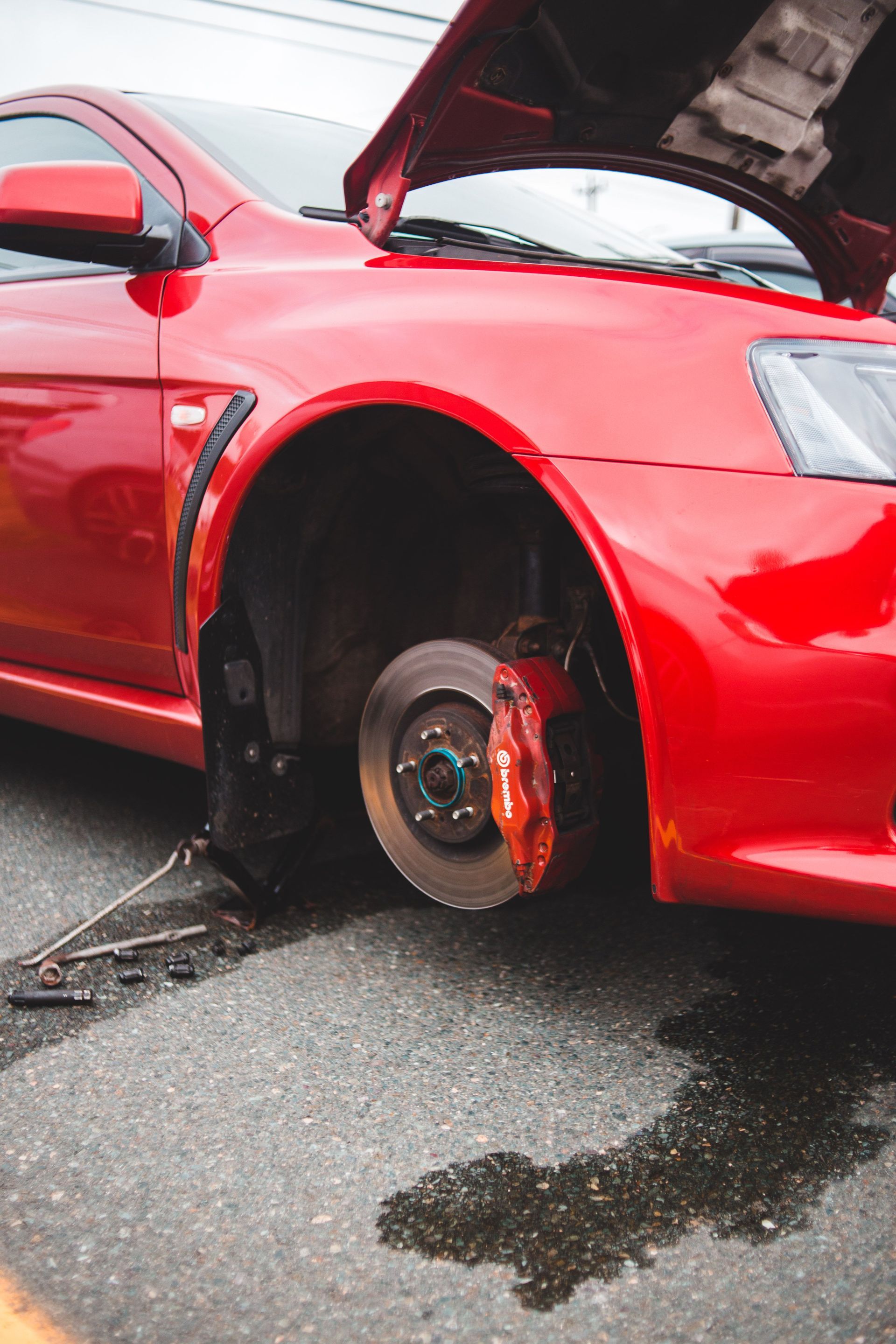
Is Your Kia Sorento Pulling You Into The Wrong Lane? It's Likely An Alignment Issue

Dana Kraft • July 24, 2026


When your vehicle pulls one way, left or right, this often indicates alignment or suspension issues. After servicing thousands of vehicles at All Tune South Austin, we can confidently confirm it's mostly likely an alignment issue. 


We recently fixed a customer’s Kia Sorento that was pulling in the wrong direction.


Using our Hoffman computerized alignment system, we performed a comprehensive alignment service and verified proper suspension geometry, restoring stability and getting her back on the road safely.


This blog will review the case for you to better understand how we can help you with your suspension and alignment issues.


  • Issue: Kia Sorento pulling left and right while driving
  • Problem: Four-wheel alignment drifted from factory specifications
  • Solution: Comprehensive four-wheel alignment service using Hoffman equipment
  • Location: All Tune South Austin, 600 E William Cannon Drive


Have You Noticed These Symptoms in Your Sorento?

You might notice the steering wheel isn't staying centered when you're driving straight. Or you find yourself constantly making small corrections to keep the vehicle tracking properly down the road. Maybe the pulling is subtle at first, just a gentle drift that you compensate for without thinking about it. Or perhaps it's more pronounced, requiring you to grip the steering wheel firmly to maintain control.


Other symptoms you might experience alongside the pulling include uneven tire wear patterns where one side wears noticeably faster, a steering wheel that's off-center even when you're driving straight, or a general feeling that your Sorento just doesn't feel as stable and confident on the road as it used to.


A little pulling left or right while you're driving is something many drivers initially dismiss as a minor annoyance. But here's what's really happening: your vehicle is trying to tell you something important about its alignment and handling systems.


Comprehensive Assessment of This Customer’s Alignment System

As ASE-certified technicians, we conducted a systematic examination of this customer's Kia to determine the root cause of directional pulling. The process began with a comprehensive vehicle safety inspection using Hoffman alignment equipment. This assessment, examines critical suspension geometry points and verified that all suspension components were structurally sound, using our multi-point inspection checklist. Our assessment also included verification of tire condition, suspension component integrity, and steering system operation to ensure no underlying mechanical issues were contributing to the handling concerns.


Our readings revealed that the Sorento's four-wheel alignment had drifted significantly from manufacturer specifications. Measurement data showed angular deviations in camber, caster, and toe settings that exceeded Kia's acceptable tolerances.


The alignment drift appeared to be the result of normal wear and road conditions rather than component failure. This gradual misalignment had been developing over time, but once we measured it, the cause of that pulling sensation became clear.


Our Hoffman Geoliner 678 alignment system confirmed that the pulling sensation was directly attributable to improper wheel alignment angles, which were causing unequal tire contact patches and directional instability. 


How We Resolved The Alignment Issues for our Customer’s Kia Sorento, in This Case

To resolve the directional pulling issue, our ASE-certified technicians utilized computerized four-wheel alignment equipment to adjust camber, caster, and toe angles back to Kia's factory specifications. We made precise adjustments to suspension components while monitoring real-time measurements on our alignment rack, individually calibrating each wheel using torque-specific procedures.


For the alignment correction, we adjusted the angles back to Kia's factory specifications of 0.0° ± 0.5°. Each wheel was individually calibrated using our torque-specific procedures to ensure proper tracking and eliminate the pulling sensation. 


Next, we conducted a complete tire rotation following Kia's recommended cross-pattern, moving each tire to its designated position to promote even wear distribution.


Upon completion, we conducted a comprehensive road test to verify proper vehicle tracking and handling. The result: a Sorento that tracks straight and true, whether you're cruising through your South Austin neighborhood or navigating the stress of I-35.


Frequently Asked Questions About Alignment Issues


How does wheel alignment affect my Kia Sorento's steering performance?

Wheel alignment directly controls how your tires contact the road surface and how your vehicle tracks down the highway. When alignment angles like camber, caster, and toe drift from manufacturer specifications, your Sorento will pull to one side, requiring constant steering corrections.


What can I expect during the alignment service process for my Kia Sorento?

During alignment service at All Tune South Austin, we first conduct a comprehensive diagnostic evaluation using our Hoffman Geoliner 678 alignment equipment to measure current wheel angles. This includes our multi-point suspension assessment. Following diagnosis, we make precise adjustments to your suspension components to restore factory specifications, which usually requires an additional 1 to 2 hours depending on the extent of correction needed. We conclude with a road test to verify proper tracking and handling.


How can I prevent alignment problems in my Kia Sorento's suspension system?

Avoid hitting potholes, curbs, and road debris whenever possible, as these impacts can knock your alignment out of specification. Additionally, maintaining proper tire pressure according to Kia's door placard specifications and rotating tires according to your maintenance schedule helps ensure even wear patterns that support proper alignment longevity. Regular alignment checks every 12,000 miles or annually can help maintain proper wheel geometry and prevent pulling issues. 


Experiencing Alignment Issues? Let All Tune South Austin Help

If your vehicle is pulling, drifting, or just not handling like it should, you might feel overwhelmed. All Tune South Austin is here to help. Our ASE-certified team specializes in alignment and suspension services, and we're committed to diagnosing and resolving your vehicle issues using state-of-the-art Hoffman alignment equipment and proven diagnostic techniques.


Located at 600 E William Cannon Drive in South Austin, you can call us today at (512) 243-8666 to discuss your vehicle concerns and find the right solution.


A car driving in the dark needs headlights that work, not headlights that flicker
By Dana Kraft September 6, 2026
If your headlights are flickering, it could lead to serious safety issues, especially at night. Read more about how we helped someone in a similar situation.
A well maintained Toyota is what every Tacoma driver wants
By Dana Kraft September 3, 2026
How often does a Toyota Tacoma need an oil change? Let's talk about the signs your Tacoma is ready for maintenance and what the value is.
A customer looking at their car in a dealership environment
By Dana Kraft September 1, 2026
Weighing a South Austin auto repair shop against dealership service? Dealerships may not always provide the quality of experience an independent auto shop can provide.
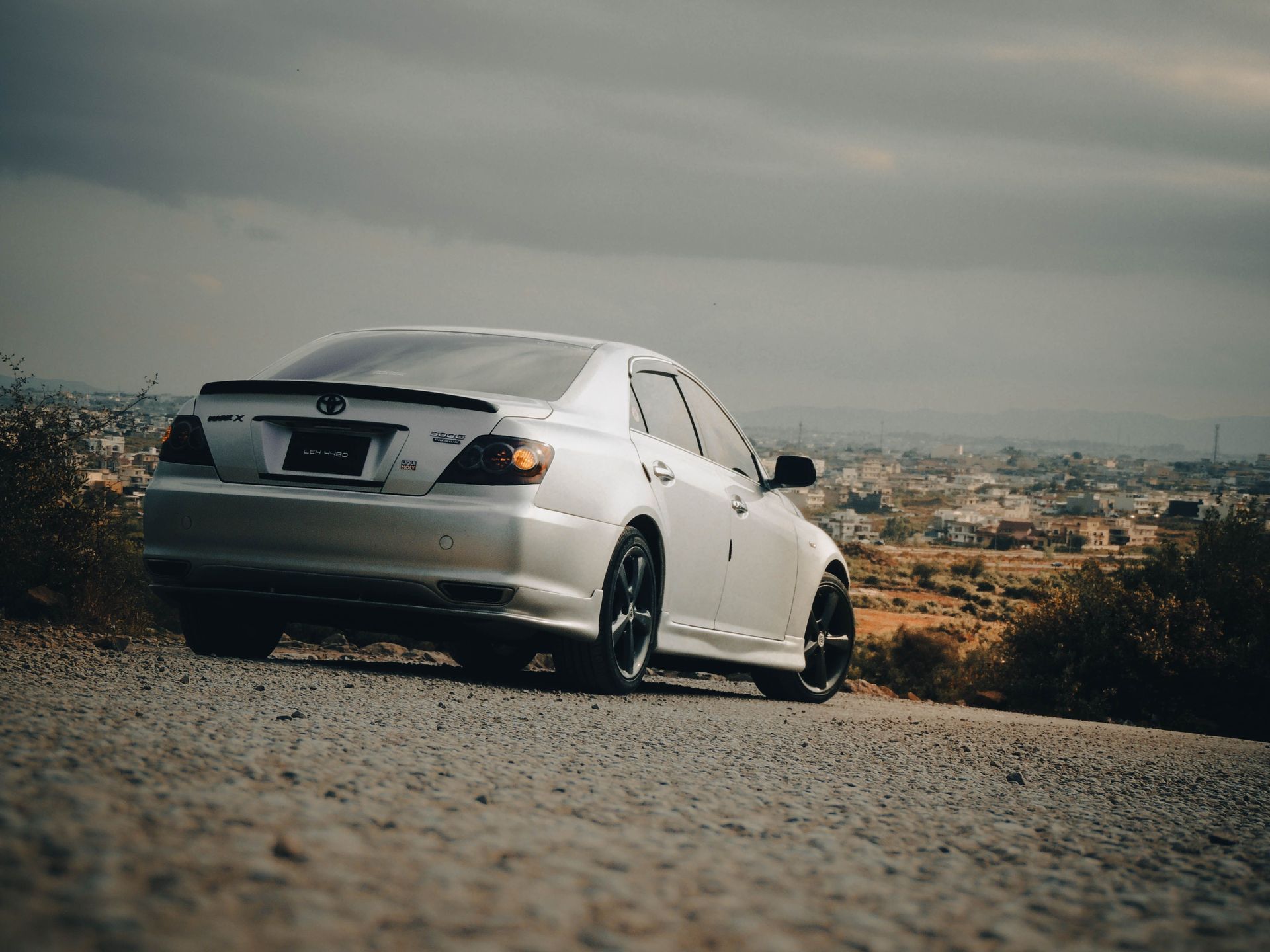
Toyota Solara driving through South Austin
By Dana Kraft August 29, 2026
Serpentine belt failure caused engine shudder and a dead-charging battery in this Toyota Solara. See the fix from our South Austin auto repair shop.
By All Tune Total Car Care - South Austin August 27, 2026
Premium auto repair and oil change services in Austin, TX by All Tune Total Car Care. Enhance your vehicle's performance. Visit us today!
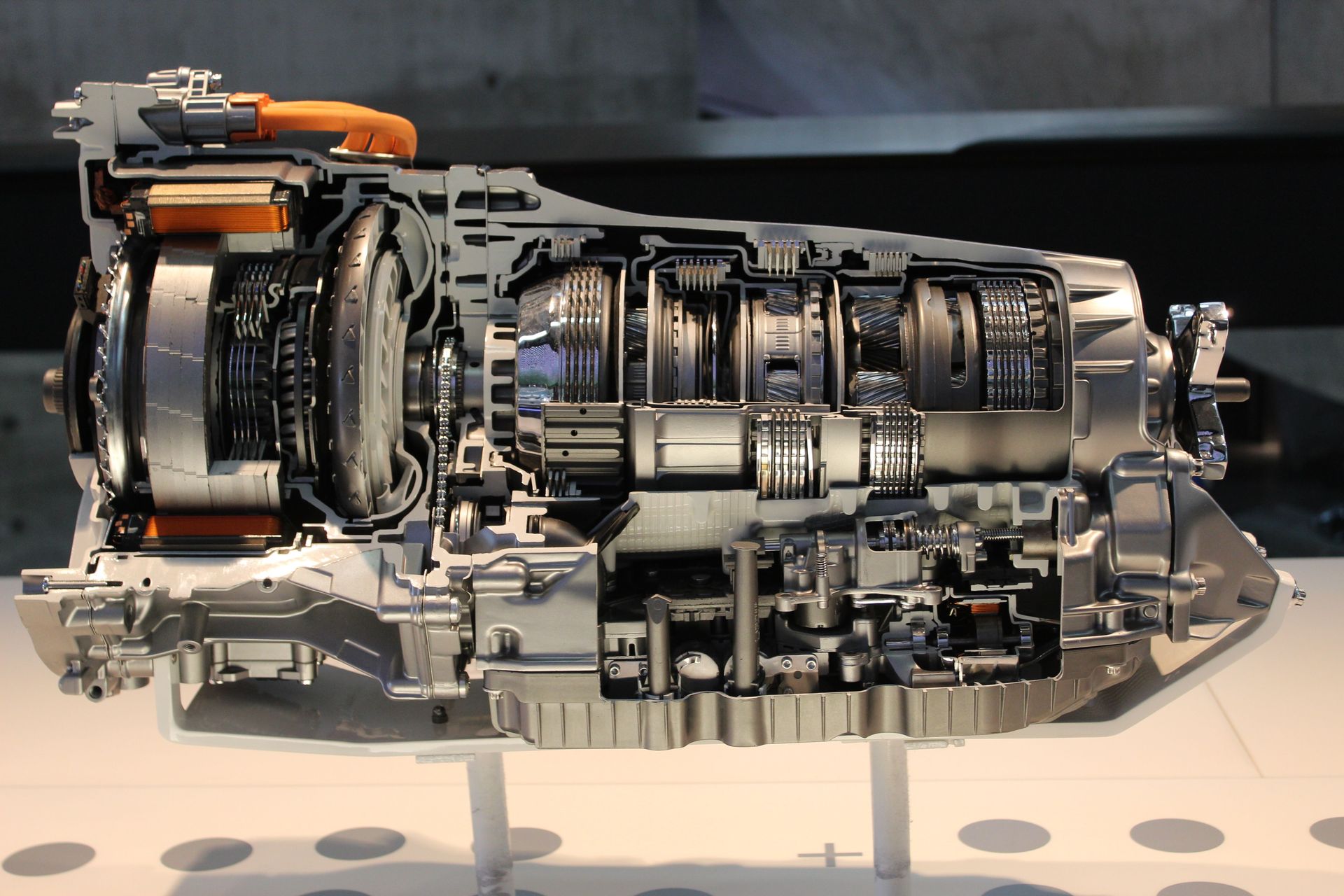
Transmission getting ready to be fixed at South Austin location
By Dana Kraft August 26, 2026
Transmission slip signs, causes & fixes from Austin's ASE-certified techs. Catch it early before a simple repair becomes a full rebuild. Call today.
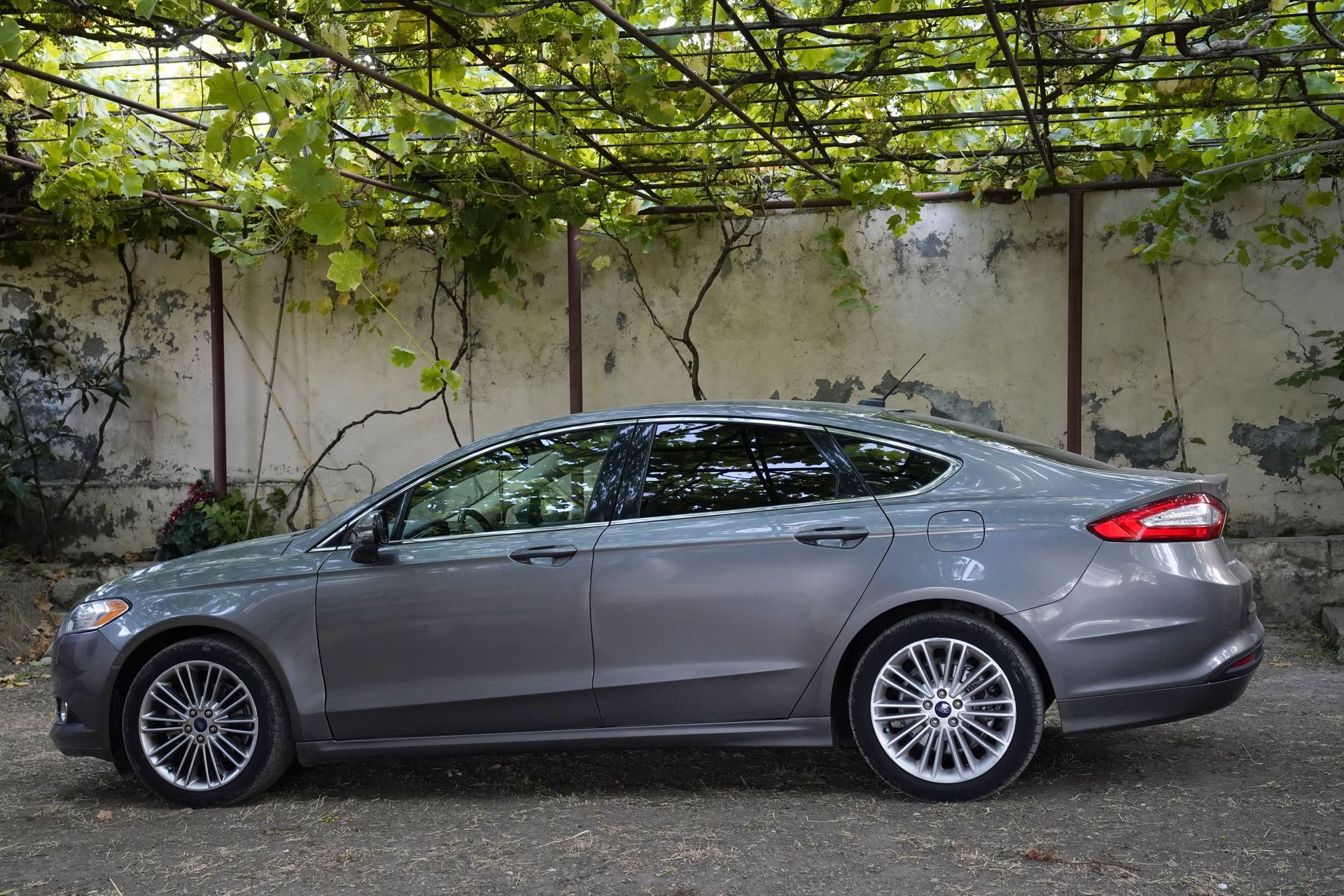
Ford Fusion in South Austin, TX needs brake service
By Dana Kraft August 25, 2026
Brakes grinding? It likely means metal-to-metal contact. Learn what a proper brake repair and service involves through a story about how we did for another customer
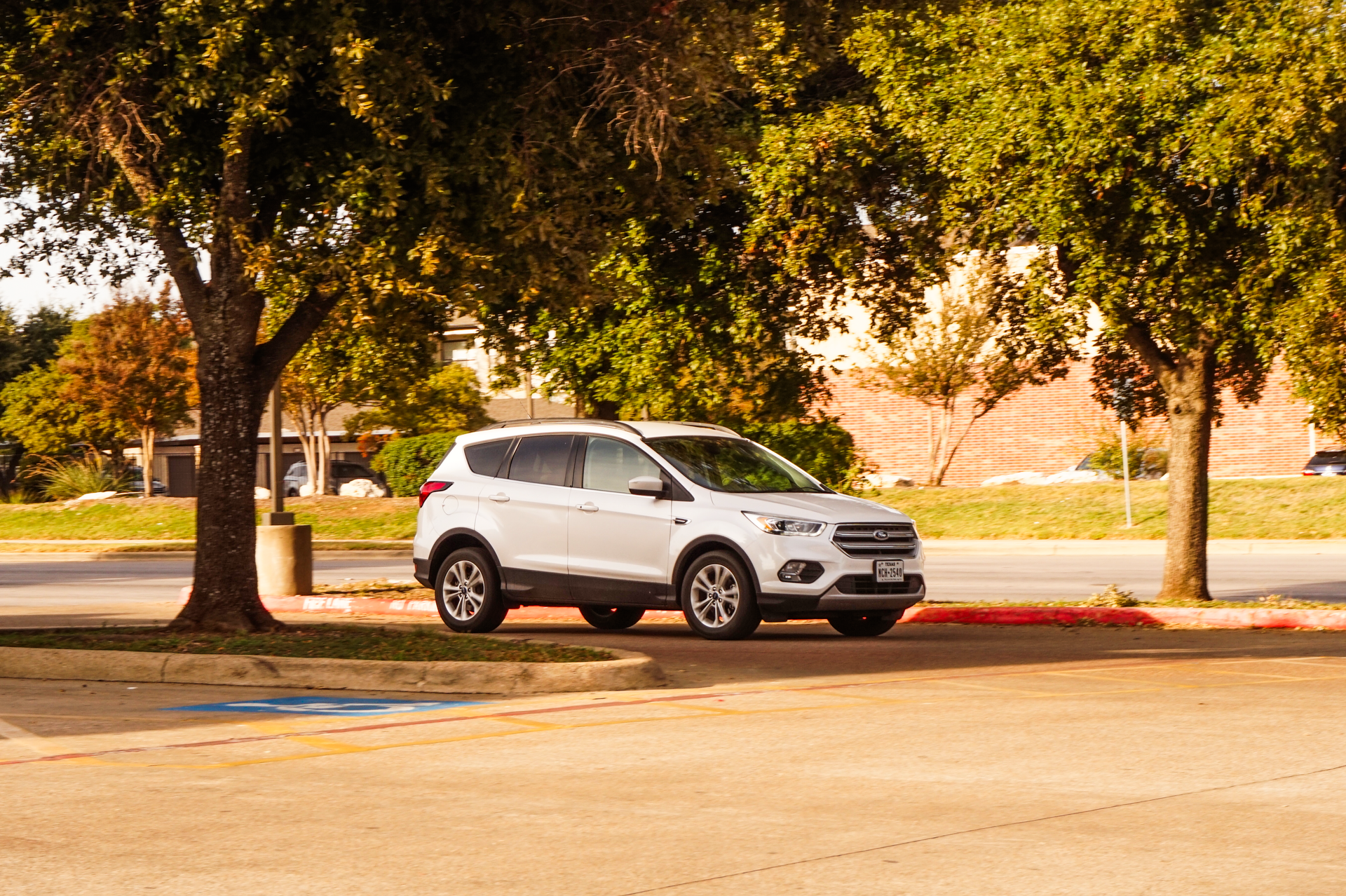
Squeaky brakes could mean many things, bring it to our experts to figure things out
By Dana Kraft August 20, 2026
Squeaky brakes are one of the most common reasons Austin drivers call us, and it usually means more than just noise. We recently worked on a 2020 Ford Escape SE that had already had its rotors resurfaced previously, but the squealing came right back a few months later. When we took a closer look, we found worn brake pads, glazed rotors, and brake fluid that had picked up contamination along the way. Fixing this customer’s brakes for good meant replacing the front and rear brake pads and rotors, flushing out the old fluid for fresh Ford OEM fluid, and road testing everything in line with our diagnostic assessment. The owner drove away with quiet, responsive brakes and their safety restored. What Our Brake Experts Found on This Ford Escape Just like your baby at home, that squeaking noise is your car's way of telling you something in the brake system needs attention. This particular Ford Escape had already given its owner trouble once, back when they bought it from CarMax with freshly resurfaced rotors. When the squeal returned, it became clear the whole brake system needed a real look, not just another quick fix. Our inspection and diagnostic work showed that this Ford Escape needed a complete brake system overhaul to clear up the squealing and get its braking back to where it should be. We found brake pads worn down to about 2mm of friction material, well past the 4mm safety minimum. We found glazed and damaged rotors that had lost their even friction surface from heat and contamination. And we found brake fluid that had absorbed moisture and picked up metal particles from the worn components, which was quietly reducing how well the hydraulic system could do its job. When only one part of a brake system gets addressed, the rest of the problem tends to resurface, sometimes literally. Our ASE-certified technicians treated this as a full system job rather than a single-part fix, because that's really the only way to get quiet, reliable braking back for good. Full Brake System Restoration on a Ford Escape To fix the squeal for good, our technicians lifted the vehicle and did a detailed inspection of every brake component, measuring pad thickness and checking the rotor surfaces closely. From there, we replaced the front brake pads and rotors on both sides, making sure everything was aligned, torqued to Ford's specifications, and fitted with properly seated anti-rattle clips. We did the same careful work on the rear brakes, checking the parking brake adjustment and confirming proper clearance throughout. Once the new components were in, we flushed out all of the old, contaminated brake fluid and refilled the system with fresh DOT 3 fluid that meets Ford's specifications. From there, we ran the vehicle through a full quality check: road testing braking response, stopping distance, and noise at both highway speeds and simulated emergency stops, along with an electronic diagnostic scan to confirm the brake sensors, ABS components, and electronic brake distribution were all working within manufacturer specs. We also gave every new part a final visual check and confirmed the wear indicators were functioning correctly. The result was a Ford Escape that stopped quietly, confidently, and safely, the way it should have all along. Common Questions We Get About Squeaky Brakes What should I do if my brakes are squeaking? Of course, we recommend getting them inspected by a professional. Until then, try to limit driving until it's been checked so you don't risk further damage or an accident from your brakes giving out. Give us a call and we'll get you scheduled as quickly as we can. How does brake fluid contamination affect braking? Brake fluid can pick up moisture over time, which may reduce how well your brakes perform and can lead to rust inside the system. Contaminated fluid can weaken hydraulic pressure, which may make your brakes feel less responsive and harder to predict. What does a full brake system restoration involve? It typically starts with lifting the vehicle and doing a close visual inspection of all the brake components, measuring pad thickness and checking the rotors. From there, technicians replace the front and rear brake pads and rotors, making sure everything is properly aligned and torqued. The last step is flushing the brake fluid and running road and diagnostic tests to confirm everything is working the way it should. Why does preventive brake maintenance matter? Regular brake inspections can help you avoid a surprise emergency repair and keep your car stopping reliably when you need it to. Catching wear early tends to mean safer driving, longer-lasting parts, and lower costs overall. We generally recommend an annual brake inspection for most drivers, or closer to every 6 months if you're regularly in heavy traffic. How can I prevent brake squealing in the first place? Getting your brakes inspected at least once a year is a good baseline, more often if you're commuting through heavy traffic regularly. This is an easy thing to do every time you get your oil changed. How can I tell if my brake pads are worn out? Most vehicles have built-in wear indicators that start to squeal once the pads get thin, generally somewhere around 2mm of material left. You might also notice weaker braking power, a softer pedal, or longer stopping distances. Rather than waiting for those signs to show up, a regular inspection can catch wear early and help you avoid a bigger repair down the road. Brake Repair in Austin You Can Count On Here's what years of working on brakes around Austin has shown us: staying ahead of brake wear is one of the simplest ways to protect both your safety and your budget. Regular inspections tend to catch problems while they're still small, often before you'd ever hear a squeal. Vehicles that get consistent brake attention are far less likely to end up in an emergency repair situation, and that peace of mind matters just as much as the mechanical side of it. Regular maintenance is what keeps your vehicle running well and keeps you safe on the road. At All Tune South Austin, we offer complete brake repair for drivers across Austin and South Austin, backed by ASE-certified technicians who've worked on the brakes of hundreds of local vehicles using the same careful standards we applied to this Ford Escape. If your brakes are squeaking, don't wait for it to get worse. Call us at 512-243-8666.
A car lifted for brake repair in our south Austin shop
By Dana Kraft August 17, 2026
Not every brake problem announces itself with a squeal. Sometimes the first sign is something you feel rather than hear: the steering wheel shaking under your hands, or the car pulling to one side as you slow down. Both are common reasons Austin drivers call our brake repair experts , and both are worth taking seriously, especially if you're commuting every day. What Shaking or Pulling Sensation Means About Your Brakes A car that shakes or vibrates specifically when you brake, rather than all the time, often points to the rotors rather than the pads. Rotors can wear unevenly over time, especially with the kind of frequent stop-and-go braking that comes with a daily Austin commute. When a rotor's surface becomes uneven, the brake pad no longer makes smooth, consistent contact, and that can translate into a pulse you feel through the pedal or the whole car. A car that pulls to one side under braking is a different story, and it can point to a few different things: A brake caliper that's sticking or not releasing evenly on one side Uneven brake pad wear from side to side A collapsed brake hose restricting fluid flow to one wheel In some cases, an alignment issue rather than the brakes themselves The tricky part is that these symptoms can overlap, and guessing which one applies to your car is exactly the kind of thing that turns a smaller repair into a bigger one if it's left unchecked. That's really what a proper inspection is for. Brake Repair Isn't a "Wait and See" Situation, Be Cautious Brakes are the one system in your car where minor symptoms and safety concerns are closely linked. A shake or a pull might feel like a minor annoyance today, but it can also be an early signal of uneven wear that gets worse under hard braking, which matters a lot on a highway on-ramp or in sudden Austin traffic. Taking care of yourself on the road is important enough but for those with families in the car it’s even more concerning when these symptoms are noticed. Our brake repair experts generally recommend getting symptoms looked at within a week or two of first noticing it, sooner if it's gotten noticeably worse since it started. What An Expert Brake Inspection Looks At When one of our ASE-certified technicians looks at a car with these symptoms, the goal is to rule things in or out systematically rather than guessing. That typically means: Measuring rotor thickness and checking for uneven wear or warping Inspecting pad wear on both sides of the vehicle for asymmetry Checking caliper function to confirm both sides are releasing evenly Taking a look at the brake lines and hoses for restrictions Ruling alignment in or out as a contributing factor A proper diagnostic looks at the whole system, which matters if the actual cause is a caliper or a hose rather than the pads themselves. What Happens Next Depends on What We Find Every fix here depends on the actual cause, which is exactly why a diagnosis matters more than guessing at a repair. A worn or warped rotor is typically replaced along with fresh pads. A sticking caliper usually needs to be rebuilt or replaced so both sides brake evenly again. If a hose is restricting flow, that gets replaced and the system gets bled and tested. None of these are unusual repairs. They're just different repairs, and treating a caliper problem like a pad problem or vice versa tends to bring the same symptom right back. Brake Repair in South Austin, From People Who'll Tell You What's Actually Wrong If your car is shaking or pulling when you brake, that's worth a real look, not a guess. Our brake repair experts at All Tune Total Car Care have worked on the brakes of hundreds of vehicles across South Austin, and we'd rather diagnose the actual cause than sell you a pad replacement that doesn't fix the problem. Call us at 512-243-8666 or schedule your brake inspection at autorepairsouthaustin.com.
AC repair in South Austin, handled by experts with years of experience
By Dana Kraft August 14, 2026
"Why is my AC not blowing cold air in my car?" is one of the most common questions our air conditioning repair experts hear once Austin temperatures climb into the 90s and beyond. The honest answer is that it depends, but a handful of causes explain most of the cases we see, and knowing the difference matters before you spend money on a fix that might not be the right one. The Usual Suspects Behind a Car AC Not Blowing Cold When a car's air conditioning stops producing cold air , or never gets as cold as it used to, the cause is often one of these: Low refrigerant , usually from a slow leak somewhere in the sealed system rather than the refrigerant simply running out on its own A failing compressor , which is responsible for pressurizing refrigerant and circulating it through the system. If it won't engage or is losing efficiency, no amount of refrigerant will fix it A clogged or damaged condenser , which can restrict airflow and reduce the system's ability to cool refrigerant properly Electrical issues , like a bad relay or pressure switch that prevents the compressor from receiving the signal to turn on A blend door or actuator problem , which affects cabin airflow rather than the refrigerant system itself, and can sometimes mimic a cooling problem when it isn't one The reason a real diagnosis matters here is that several of these can look identical to a driver. Warm air is warm air, whether the cause is a small, inexpensive part or a compressor that needs replacing. Why "Just Add Refrigerant" Isn't Always the Fix for Your Air Conditioning A lot of drivers reasonably assume low refrigerant is the answer and go straight for a recharge. Sometimes that's exactly right. But if the real issue is a failing compressor or a leak that keeps draining the system, a recharge is a temporary patch at best. Our AC repair experts always run a full system check, including a leak test, before recommending a recharge alone, specifically so a customer doesn't pay for the same fix twice in one summer. What Replacing an AC Compressor Actually Involves If a diagnosis points to compressor failure, the repair typically follows this sequence: Compressor and condenser replacement: Both are usually replaced together as a matched set, since pairing a new compressor with an old condenser tends to invite a repeat failure down the line. System evacuation: The system is fully evacuated to remove air and moisture before anything gets recharged. Recharge to spec: Refrigerant is added back to the manufacturer's specifications, not just topped off by feel. Engagement and pressure testing: The system is tested to confirm the compressor engages properly and pressure holds steady before the car goes back on the road. Cost varies quite a bit by vehicle and by what the diagnosis actually finds, which is exactly why we start with the diagnosis rather than quoting blind. When to Get Your Air Conditioning Checked Out If your AC is blowing warm, blowing weak, or cycling between cold and warm unpredictably, that's worth getting checked before the next heat wave rather than during it. Austin summers don't leave a lot of room for "I'll deal with it later," especially on longer commutes where a non-functioning AC turns an uncomfortable drive into a genuinely rough one. AC Repair in Austin, Diagnosed Right Our ASE-certified AC repair experts at All Tune Total Car Care use proper diagnostic equipment, including electronic leak detection, to find the actual cause before recommending a fix. We'd rather tell you honestly what's wrong with your air conditioning than guess and hope a recharge holds. Call us at 512-243-8666 or schedule your AC diagnostic at autorepairsouthaustin.com.
More Posts